
Demre is now a “Slow City”: what Cittaslow means, and what it doesn’t
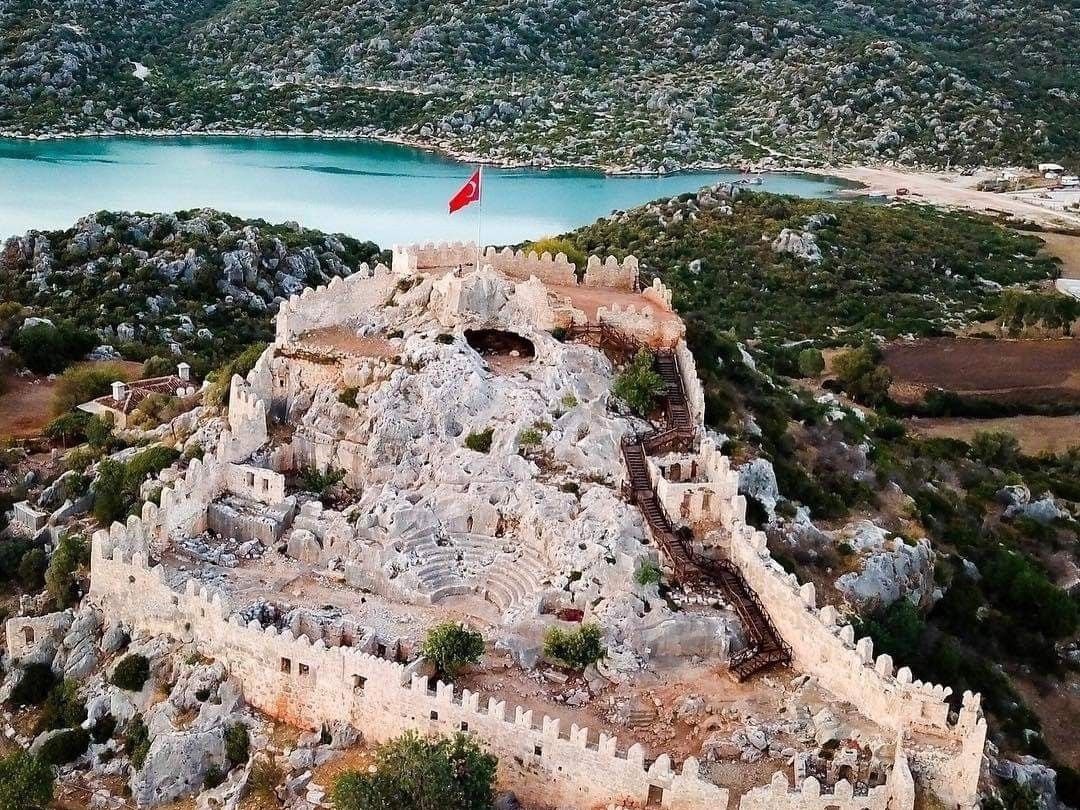
Demre received its certificate on 7–9 June 2025, at the International Cittaslow Coordination Meeting held in Borger-Odoorn in the Netherlands. It was assessed at 75.40 points and became the 28th member of the Cittaslow Türkiye network. The source is the network that awards the title, on its own site: Cittaslow Türkiye.
We run a boat on this coast; we are not the council. But guests ask before they come to Demre: what sort of place is it? This title is part of the answer to that question — as long as what it is gets understood correctly.
What Cittaslow is
Cittaslow is an international network that began in Italy in 1999, made up of towns with fewer than 50,000 inhabitants. The name is translated as “slow city”, but the point is not slowness — it is scale: places that choose to stay small, to keep local production and to keep their own rhythm.
The title is awarded on application and on points. The assessment runs through a list of criteria stretching from environmental policy to infrastructure, from protecting local produce to the quality of life offered to a visitor. So it is not a label a council pins on itself; it is inspected from outside. The first place in Türkiye to join the network was Seferihisar in 2009; Demre comes in 28th.
What it is not
A title does not change a town overnight. When Demre woke up on 8 June 2025, its streets were no different from the day before. The certificate is the registration of something that already existed — not the beginning of something new.
We write that because in promotional copy this kind of title is usually presented as a promise. It is not. It is something measurable, measured.
What it means for somebody coming here
For most visitors Demre is an afternoon: the Myra rock tombs, the Church of St Nicholas, then back on the coach. The Demre that the Cittaslow criteria describe is the side that does not show up in that afternoon — the district behind the greenhouses, the shore in the late afternoon, the coast beyond Çayağzı.
In practice we can say three things, as our own observation:
- This is not a holiday town, it is a working district. Tomato greenhouses, fishermen, farmers. Summer evenings do not get crowded.
- Distances are short. From Myra to the harbour, from the harbour to the shore — everything is close together. It is a place you can see without renting a car.
- The real part is on the coast. The best of the district is the twenty kilometres of shoreline on either side of it and the bays behind the island of Kekova. They are not visible from land.
We are aware we say that last point because of the work we do. But there is no way to see Kekova’s sunken city, Kaleköy and the bays between them from land — and we write that not because we own a boat, but because the geography is what it is.
Where to go in Demre, and what can be seen from land and what only from the sea: we have gathered it all, with maps, in the Demre travel guide.